John Campbell Hoyte (1835 - 1913)
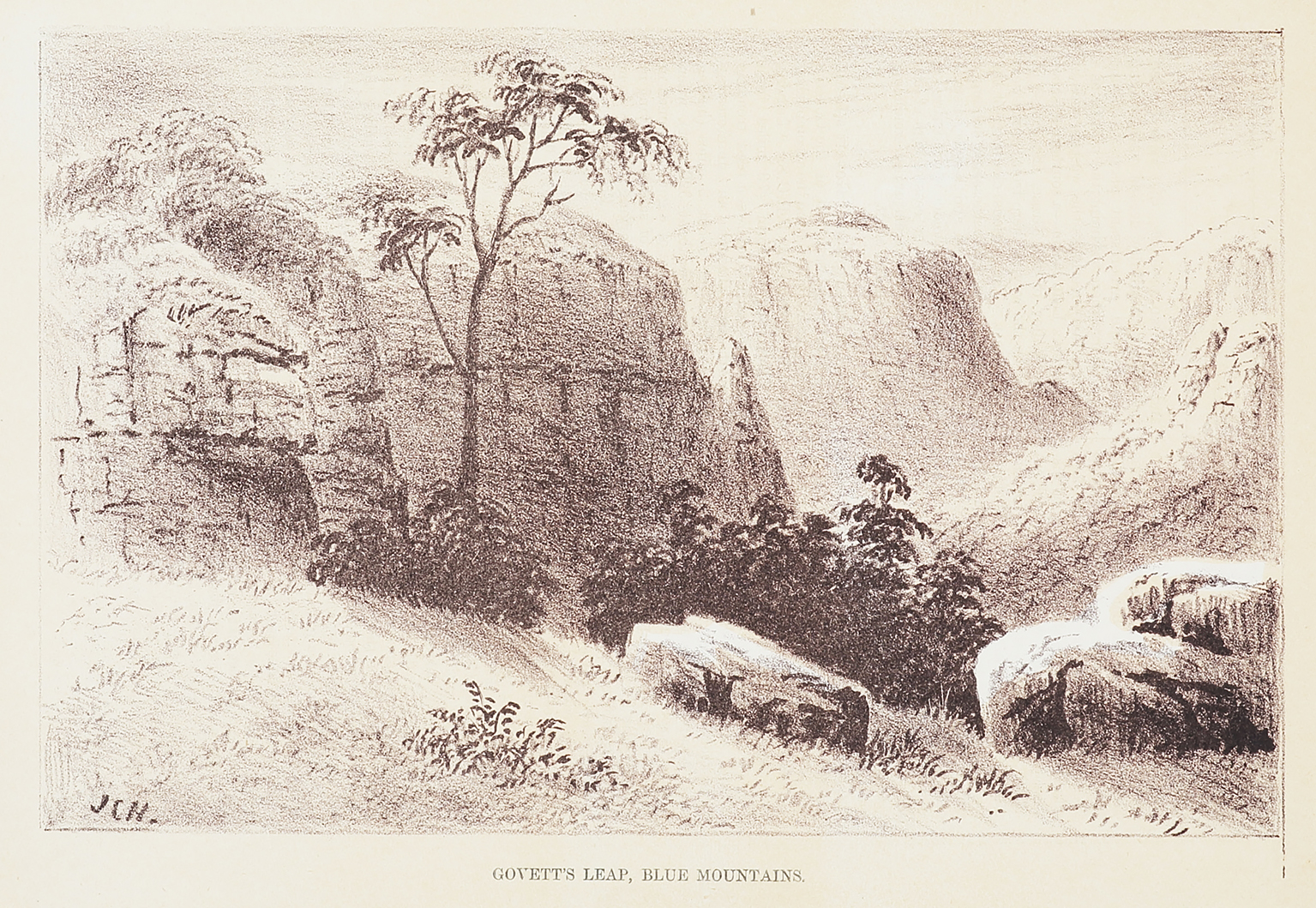
English-born landscape painter and teacher whose work played a formative role in the visual culture of colonial New Zealand and, later, Australia. Born in London, the son of the painter John Barron Hoyte, he received his early artistic training in Britain before emigrating to Auckland in 1852. He quickly established himself as a drawing master and exhibiting artist and taught at the Auckland Government School. He was closely associated with the city’s emerging cultural institutions, including the Auckland Society of Artists, of which he was a founding member. His teaching activities were significant in shaping early art education in the colony, and a number of later New Zealand artists passed through his instruction.
Hoyte worked primarily in watercolour, producing topographical views and expansive landscapes that recorded the distinctive features of the North Island. He travelled widely, sketching volcanic cones, bush-clad ranges, lakes, and coastal inlets. His depictions of Lake Taupō, the Waikato region, and the Auckland isthmus combine careful observation with a restrained, atmospheric handling derived from British landscape traditions. While essentially picturesque in conception, his works now serve as valuable visual documents of the colonial landscape prior to extensive European development.
In 1879 Hoyte left New Zealand for Sydney, where he continued to teach and exhibit. In Australia he maintained his practice as a watercolourist and drawing instructor, contributing to exhibitions in Sydney and remaining active in artistic circles. Although he did not achieve the same prominence there as in Auckland, he sustained a steady professional career.
He died in Sydney in 1913.
View other items by John Campbell Hoyte