Arthur Levett Jackson (1834 - 1888)
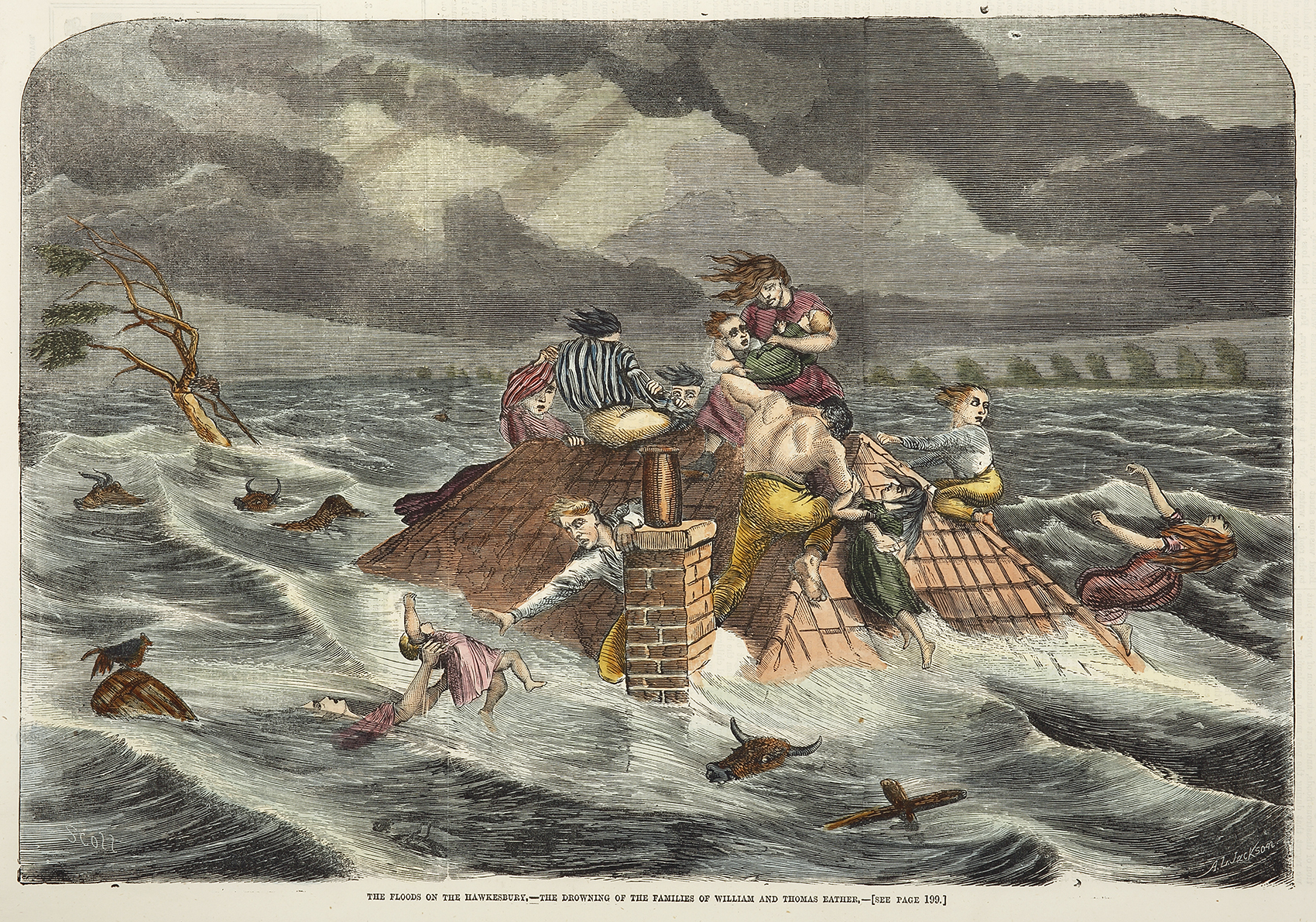
Documentary detail on Jackson’s personal life is comparatively sparse, a common situation for c.19th engravers, whose labour underpinned illustrated publishing but who rarely received the individual attention given to painters or draughtsmen. What can be reconstructed places him firmly within the skilled artisan class that supported Sydney’s expanding print culture in the mid to late Victorian period.
Born in 1834, likely in Britain, Jackson would have served a formal apprenticeship in wood engraving, a trade demanding precision, patience, and close collaboration with publishers. Training involved mastering engraving tools (burins and gravers), working on dense end-grain boxwood blocks, and learning to translate tonal wash drawings into systems of line, hatch, and stipple. Such training suggests a background in an urban craft environment rather than an academic art school.
His migration to New South Wales probably occurred during the great waves of skilled British emigration to Australia in the 1850s–60s, when the colonial press was expanding rapidly.
View other items by Arthur Levett Jackson
Eugene Montagu (Monty) Scott (1835 - 1909)
Scott was a cartoonist and illustrator, in London, migrated to Victoria in the 1850s and worked as a photographer. On 20 July 1859 in Melbourne he married Amy Johnson. In 1857-65 he contributed drawings and cartoons to the Illustrated Australian Mail, Illustrated Melbourne Post and Melbourne Punch. In 1866 Scott moved to Sydney as chief cartoonist for the Sydney Punch. In 1867 he received a 250 guineas commission for a portrait of the Duke of Edinburgh. He was established in a photographic salon in George Street and in the 1870s his large wood-engravings and lithographs of rugged outdoor scenes, formal functions and public personalities regularly enlivened the Illustrated Sydney News.
Bankrupt in June 1870, Scott was forced to sell his photographic equipment to meet his creditors. In 1871 the Sydney Mail employed him as its first artist. From 1880 the Bulletin carried some cartoons and occasional engravings of local dignitaries by Scott. The Brisbane Boomerang, founded 1887, ran his cartoons until 1891 when he drew the first cartoons for the Queensland Worker, continuing as its chief cartoonist until 1909. In 1889 he had moved to Brisbane and on 5 December married a widow, Mary Ellen Price, née Mehan; he lived there four years.
In the ensuing years Montagu received less work as photographic illustrations replaced engravings and lithographs.
View other items by Eugene Montagu (Monty) Scott