
Printing Processes of Antique Maps
The production of antique maps between the 15th and 19th centuries combined artistry, craftsmanship, and evolving print technologies. Understanding the printing processes not only enriches appreciation of these works but also aids in identifying period authenticity. The principal methods—woodcut, copper engraving, etching, and lithography—each left distinct visual and tactile characteristics.
Woodcut (15th–16th Century)
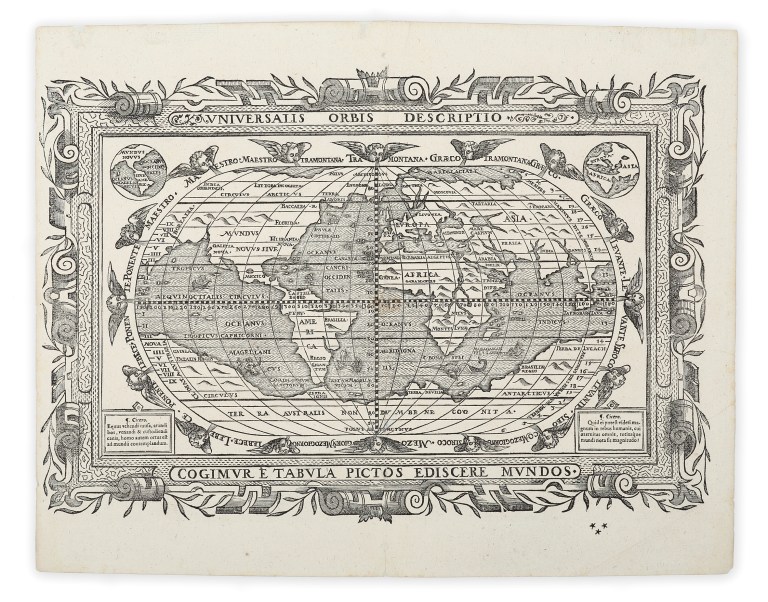
Woodcut printing, the earliest European mapmaking process, was prevalent during the incunabula period (pre-1500). The image was carved in relief on a hardwood block, the raised areas inked, and paper pressed onto the surface. This technique produced bold lines but limited fine detail, often requiring colour to be applied by hand for visual enhancement. Notable woodcut maps include those of Hartmann Schedel’s Nuremberg Chronicle (1493). While durable, the blocks wore down over time, sometimes softening details in later impressions.
Copperplate Engraving (16th–18th Century)
From the mid-1500s, copperplate engraving became the dominant method for high-quality cartography. The engraver incised the design into a polished copper sheet using a burin. Ink was worked into the engraved lines, the surface wiped clean, and dampened paper pressed into the incisions under high pressure. This intaglio process allowed extraordinary precision, enabling fine lettering, delicate hachuring, and elaborate decorative cartouches. Masters such as Abraham Ortelius, Gerard Mercator, and the Blaeu family elevated the copperplate to an art form. As copper wore more quickly than steel, plates were periodically re-engraved or strengthened, resulting in subtle variations between states.
Etching (17th–18th Century)
Etching offered a more fluid and painterly approach to linework. The copper plate was coated with an acid-resistant ground; the artist drew through this ground with a stylus, exposing the metal. The plate was then submerged in acid, which “bit” the exposed lines. This method required less physical force than engraving, allowing freer, more expressive lines. Many mapmakers combined etching with engraving—reserving engraving for precise lettering and etching for landscapes, figures, and decorative elements. French mapmakers of the 17th and 18th centuries often excelled in this hybrid technique.
Lithography (Early 19th Century Onwards)
Lithography marked a radical shift. Invented in 1796 by Alois Senefelder, it relied on the immiscibility of grease and water. Designs were drawn with a greasy crayon onto limestone; the stone was dampened, ink applied, and transferred to paper under pressure. Lithography could reproduce shaded areas and subtle gradations, making it particularly suited to topographical maps and later, coloured printing. Chromolithography, introduced in the mid-19th century, allowed multiple colours to be printed from separate stones, reducing the need for hand colouring and enabling commercial production at scale.
Identifying Techniques in Antique Maps
Collectors often rely on close examination with a magnifier:
Woodcut: thick, slightly irregular lines, visible wood grain in impressions.
Engraving: sharp, clean lines with slight plate indentations around the image.
Etching: softer, more varied lines, often combined with engraving.
Lithography: absence of plate marks, smooth tonal transitions.
Recognising these processes not only aids authentication but deepens appreciation of the artistry and technology behind antique maps. Each printing method represents its own era’s balance between technical capability, artistic ambition, and the growing demand for geographical knowledge.